Introduction: Resurgence and Renewal in the GCC
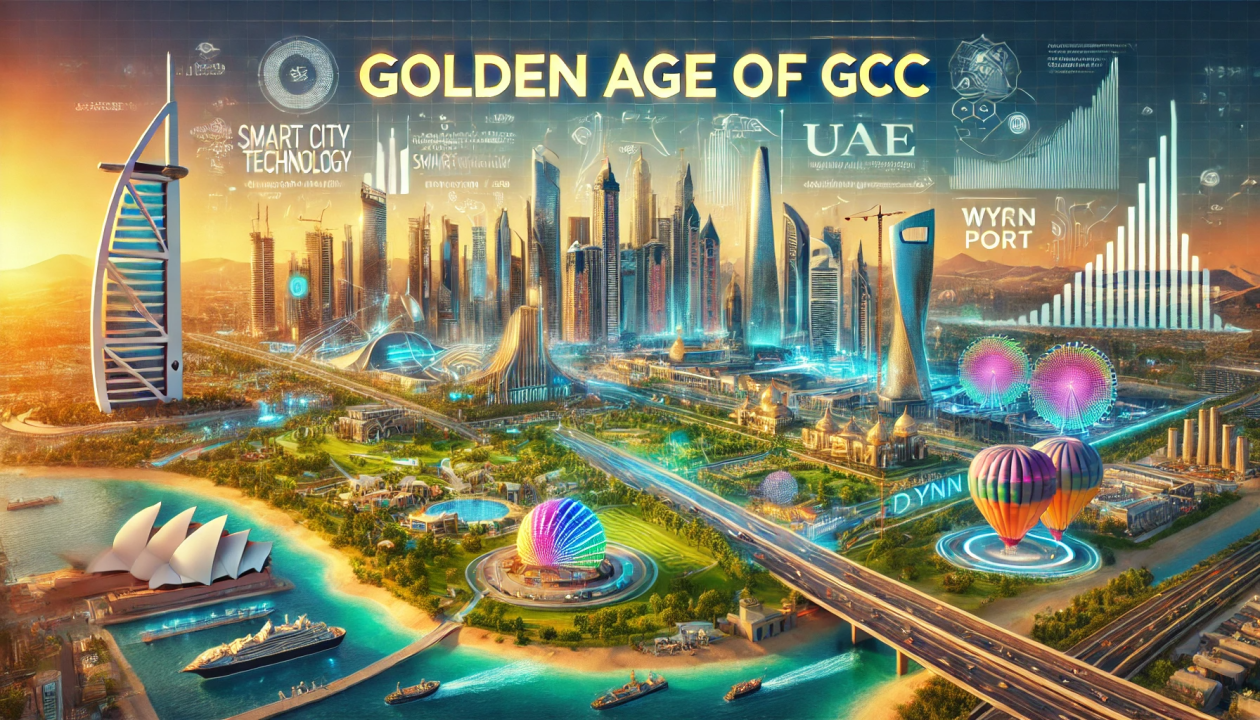
The Gulf Cooperation Council (GCC) countries have faced the COVID-19 pandemic with a blend of resilience and strategic foresight. As the world steps into a post-pandemic era, these nations are not just rebounding; they are actively shaping a new economic reality. This blog explores the diverse strategies and initiatives that are steering the GCC towards a promising future, marking what could be described as a new Golden Age.
Strategic Diversification: Beyond Oil
The economic landscape in the GCC is undergoing a remarkable transformation, driven by concerted efforts to diversify away from oil dependency:
- Saudi Arabia’s Vision 2030 and NEOM: Spearheaded by ambitious projects such as NEOM, a planned cross-border city in the Tabuk Province of north-western Saudi Arabia, which aims to incorporate smart city technologies and function as a tourist destination.
- UAE’s Innovation and Technology Drive: The UAE is investing heavily in becoming a global leader in artificial intelligence and smart technologies, highlighted by initiatives like Dubai’s Smart City project.
- Qatar’s World Cup and Beyond: With the FIFA World Cup 2022, Qatar is on track to boost its tourism sector, but it’s also making significant strides in real estate and infrastructure, aiming to sustain economic growth beyond the event.
Revamping Economic Policies: Attracting Global Investors
In response to the global economic shifts caused by the pandemic, GCC countries are revamping their economic policies to attract more foreign investments:
- Reform of Investment Laws: Countries like Bahrain and Oman have introduced new laws to attract foreign entrepreneurs and investors by offering greater ease of doing business, economic incentives, and ownership freedoms.
- Financial Sector Innovation: Saudi Arabia and the UAE are transforming their financial services sector, implementing fintech innovations that promote financial inclusion and attract international banking and finance entities.
Sustainable Development: A Commitment to the Environment
Sustainability is now a cornerstone of the GCC’s economic development strategies:
- Saudi Green Initiative and UAE’s Energy Strategy 2050: These initiatives reflect a significant shift towards renewable energy sources and a reduction in carbon emissions, aiming to create a sustainable future that does not rely solely on fossil fuels.
- Green City Projects: Projects like Qatar’s Lusail City, which emphasize sustainability and environmental conservation, are becoming more prevalent across the region.
Social Advancements: Empowering Populations
The GCC is witnessing a social transformation, with significant reforms designed to empower its population:
- Women’s Rights in Saudi Arabia: Recent reforms in Saudi Arabia have allowed women more freedoms, including the right to drive and more involvement in the workforce.
- Labour Reforms: Changes in labour laws across the GCC, particularly in the UAE and Qatar, are improving worker rights and aiming to create a more resilient and flexible labour market.
Challenges and the Road Ahead
While the GCC countries are making substantial progress, they face challenges such as the need for economic stability amid fluctuating oil prices and the global economic slowdown. Additionally, the integration of expatriates and national populations into the new economic frameworks presents both opportunities and challenges.
Conclusion: A New Chapter of Prosperity
As the GCC countries navigate through these transformative times, the strategic initiatives they are implementing signal a robust readiness to embrace a future marked by innovation, sustainability, and diversified economic growth. The post-COVID era is not just a challenge; it’s an opportunity—a chance for the GCC to shine on the global stage and truly enter a new Golden Age.
For more insight on GCC or if you would like to explore real estate investment opportunities please WhatsApp now: https://wa.me/447542564750


